

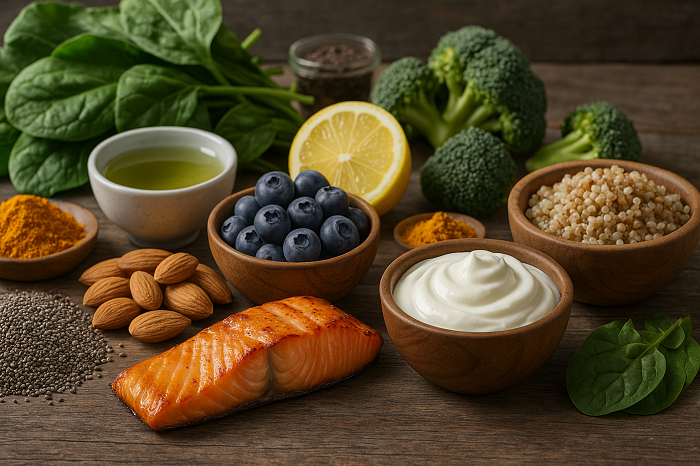
Eating healthy is no longer just about avoiding processed foods or cutting down on sugar. Today, health experts emphasize the importance of adding nutrient-dense superfoods to your diet. Superfoods are natural foods packed with vitamins, minerals, antioxidants, and other compounds that help boost immunity, reduce inflammation, and protect against chronic diseases. Incorporating these nutrient-rich foods into your weekly routine can improve your overall well-being, energize your body, and even slow down the effects of aging. Let us explore the top 10 superfoods you should eat every week and understand why they deserve a place on your plate.
The Power of Superfoods in Daily Nutrition
Superfoods are not a magic pill, but they are a cornerstone of balanced nutrition. Unlike ordinary foods, they deliver high concentrations of nutrients in small servings, which means you can get maximum health benefits without overeating. They are rich in antioxidants that fight free radicals, which are unstable molecules linked to cell damage and diseases like cancer, heart disease, and diabetes. Including superfoods in your weekly meals can also support gut health, improve brain function, and maintain healthy skin.
1. Blueberries for Brain and Heart Health
Blueberries are often called nature’s candy, but they are far from being just sweet treats. These tiny berries are loaded with antioxidants, especially anthocyanins, which give them their deep blue color. Blueberries help protect the brain from age-related decline, improve memory, and reduce the risk of cardiovascular disease. Regular consumption can also lower blood pressure and improve insulin sensitivity. Adding a handful of blueberries to your oatmeal, yogurt, or smoothies each week is an easy way to enjoy their health benefits.
2. Spinach for Iron and Vital Nutrients
Leafy greens are often praised for their health benefits, and spinach stands out among them. This dark green vegetable is rich in iron, calcium, magnesium, and vitamins A, C, and K. Spinach supports strong bones, helps maintain healthy vision, and boosts immunity. Its high content of nitrates is known to improve blood flow and reduce blood pressure. Eating spinach in salads, soups, or stir-fries a few times each week can be a simple yet effective way to nourish your body.
3. Salmon for Omega-3 Fatty Acids
Fatty fish like salmon are a powerhouse of omega-3 fatty acids, which are essential for heart and brain health. Omega-3s reduce inflammation, support joint flexibility, and protect against heart disease. Salmon is also rich in protein and vitamin D, which help in muscle repair and bone health. Consuming salmon at least once or twice a week provides your body with essential nutrients that are difficult to get from plant-based sources.
4. Greek Yogurt for Gut Health
Greek yogurt is a versatile food that provides probiotics, which are beneficial bacteria that support digestive health. A healthy gut microbiome not only improves digestion but also strengthens immunity and mental well-being. Greek yogurt is also high in protein, calcium, and potassium, making it ideal for muscle growth and bone strength. To maximize its benefits, choose plain Greek yogurt without added sugars and combine it with fresh fruits or nuts for a wholesome snack.
5. Quinoa as a Complete Protein
Quinoa is often referred to as a super grain, though it is technically a seed. Unlike most plant-based foods, quinoa is a complete protein, meaning it contains all nine essential amino acids that the body cannot produce on its own. It is also high in fiber, magnesium, and antioxidants, which help regulate blood sugar levels and improve heart health. Swapping traditional rice with quinoa in your meals once or twice a week is an excellent way to add variety and nutrition to your diet.
6. Almonds for Healthy Fats and Energy
Almonds are more than just a crunchy snack. They are rich in healthy monounsaturated fats, protein, vitamin E, and magnesium. Eating almonds regularly supports heart health, reduces cholesterol, and provides long-lasting energy. They are also linked to improved brain function and reduced inflammation. Whether eaten raw, soaked, or as almond butter, including a small portion of almonds in your weekly diet can keep your heart and mind in great shape.
7. Broccoli for Detox and Immunity
Broccoli is one of the most nutrient-dense vegetables you can add to your meals. It is rich in vitamin C, vitamin K, folate, and fiber. What makes broccoli unique is its compound sulforaphane, which has powerful detoxifying and anti-cancer properties. Regular consumption of broccoli supports liver function, strengthens bones, and enhances immunity. Roasted, steamed, or added to soups, broccoli is a versatile superfood you should eat several times a week.
8. Turmeric for Anti-Inflammatory Benefits
Turmeric, the golden spice, has been used for centuries in traditional medicine. Its active compound, curcumin, is known for its powerful anti-inflammatory and antioxidant properties. Turmeric helps reduce joint pain, improves brain function, and lowers the risk of chronic diseases like heart disease and cancer. To increase its absorption, combine turmeric with black pepper and healthy fats. Adding turmeric to curries, soups, or smoothies every week can greatly enhance your health.
9. Green Tea for Metabolism and Detox
Green tea is not just a refreshing beverage, it is a super drink rich in catechins, a type of antioxidant that helps burn fat, reduce inflammation, and improve brain function. Drinking green tea regularly supports heart health, regulates blood sugar, and promotes detoxification. Replacing sugary beverages with a daily cup of green tea can be a small yet impactful change in your lifestyle.
10. Chia Seeds for Fiber and Energy
Chia seeds may be tiny, but they are packed with nutrients. They are rich in omega-3 fatty acids, fiber, protein, and calcium. Chia seeds expand in liquid, forming a gel-like texture that aids digestion and helps keep you feeling full. They support weight management, improve cholesterol levels, and provide steady energy throughout the day. Sprinkling chia seeds into smoothies, puddings, or baked goods is an easy way to enjoy their superfood benefits.
Conclusion
Incorporating superfoods into your weekly diet is one of the most powerful steps you can take for better health. These top 10 superfoods—blueberries, spinach, salmon, Greek yogurt, quinoa, almonds, broccoli, turmeric, green tea, and chia seeds—offer a wide range of nutrients that support everything from heart and brain health to digestion and immunity. Remember that superfoods work best as part of a balanced diet combined with regular exercise and healthy lifestyle habits. Start by adding a few of these foods to your meals each week and gradually make them a consistent part of your routine.
FAQs on Superfoods
Q1. What makes a food a superfood?
Answer. A superfood is defined by its high concentration of vitamins, minerals, antioxidants, and other health-boosting compounds compared to regular foods.
Q2. Can superfoods replace a balanced diet?
Answer. No, superfoods are meant to complement a balanced diet, not replace it. They work best when combined with a variety of nutrient-rich foods.
Q3. How often should I eat superfoods?
Answer. Incorporating them into your weekly meals is ideal, with some like leafy greens, yogurt, or nuts consumed daily.
Q4. Are superfoods suitable for weight loss?
Answer. Yes, many superfoods like chia seeds, quinoa, and green tea promote satiety and metabolism, supporting healthy weight management.
Q5. Do superfoods have side effects?
Answer. Generally, superfoods are safe, but moderation is important. For instance, too many almonds can add excess calories, and turmeric in high doses may affect digestion.