

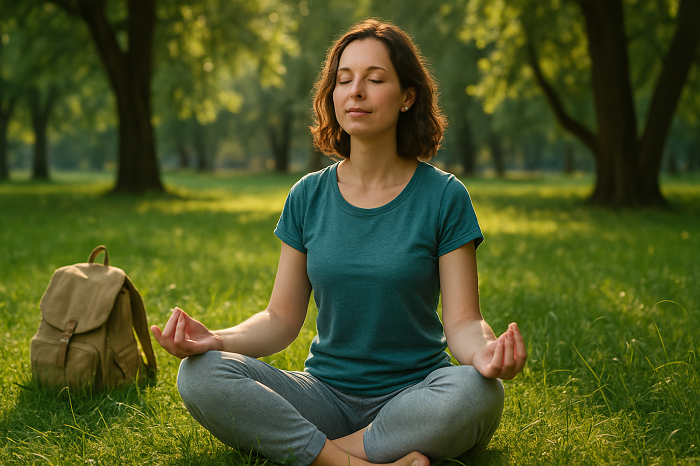
Stress has become a constant part of modern life, affecting millions of people across the world. From long working hours and financial pressures to personal challenges and health concerns, stress manifests in many ways and can take a toll on both physical and emotional well-being. While medication and therapy are available options, many people seek natural ways to manage stress without relying on chemicals or invasive treatments. Fortunately, there are several proven and effective strategies that can help calm the mind, relax the body, and restore balance. In this article, we will explore the top 10 ways to reduce stress naturally, offering practical solutions that you can easily incorporate into your daily routine.
1. Practice Deep Breathing and Meditation
One of the simplest yet most powerful methods to reduce stress is controlled breathing. Deep breathing stimulates the body’s relaxation response by lowering heart rate, reducing blood pressure, and calming the nervous system. When combined with meditation practices such as mindfulness or guided visualization, the benefits multiply. Spending even ten minutes focusing on your breath each day can significantly improve mood and reduce anxiety.
2. Stay Physically Active
Exercise is often referred to as a natural stress reliever, and for good reason. Physical activity helps release endorphins, the body’s feel-good hormones that combat stress. Whether it is a brisk walk, yoga session, or strength training workout, movement boosts energy, enhances focus, and improves sleep quality. Engaging in at least 30 minutes of moderate exercise most days of the week is one of the best long-term investments for stress management.
3. Spend Time in Nature
Connecting with nature has an immediate calming effect. Whether you walk in the park, hike in the mountains, or simply sit in your garden, being outdoors reduces cortisol levels and restores a sense of peace. Exposure to sunlight also boosts vitamin D, which supports mood regulation. Even urban dwellers can benefit from short daily breaks in natural settings or by bringing plants into their living space.
4. Get Quality Sleep
Sleep is one of the most overlooked aspects of stress management. Chronic sleep deprivation increases irritability, reduces focus, and makes it harder to cope with everyday challenges. Establishing a bedtime routine, avoiding screens before sleep, and keeping your room dark and cool can all improve sleep quality. A consistent seven to nine hours of rest per night gives your body the time it needs to repair and recharge.
5. Practice Mindful Eating
What you eat can influence how you feel. A diet high in processed foods, sugar, and caffeine may worsen stress and anxiety, while nutrient-rich meals can help regulate mood. Incorporating whole foods such as fruits, vegetables, nuts, lean proteins, and omega-3-rich fish helps the brain and body handle stress better. Eating slowly, savoring your meals, and avoiding multitasking while eating also encourages mindfulness and reduces tension.
6. Connect with Loved Ones
Human connection plays a vital role in emotional well-being. Talking to a trusted friend or family member can help you gain perspective, feel supported, and release bottled-up emotions. Social bonds strengthen resilience against stress and foster a sense of belonging. Even short, meaningful conversations can provide comfort and lighten your mental load.
7. Limit Screen Time and Digital Overload
Constant notifications, social media comparisons, and endless emails often contribute to heightened stress levels. Taking regular digital breaks can reduce this pressure and allow the mind to reset. Setting boundaries, such as screen-free evenings or designated no-phone hours, helps you focus on the present moment and improves both productivity and relaxation.
8. Explore Relaxation Techniques
Different relaxation techniques such as yoga, tai chi, progressive muscle relaxation, or aromatherapy can reduce stress naturally. These practices combine physical movement, controlled breathing, and mindfulness to promote relaxation. Essential oils such as lavender and chamomile are also known for their calming effects and can be incorporated into your routine through diffusers or warm baths.
9. Keep a Journal
Writing down your thoughts, feelings, and experiences can be a powerful way to manage stress. Journaling allows you to release negative emotions, reflect on challenges, and focus on gratitude. Many people find that journaling for just ten minutes a day provides clarity and reduces mental clutter, making it easier to approach problems with a calm mindset.
10. Practice Gratitude and Positive Thinking
Shifting focus from what is wrong to what is right can dramatically improve stress levels. Practicing gratitude trains the brain to recognize positive experiences and reduces the tendency to dwell on negativity. Whether through journaling, affirmations, or simply acknowledging daily blessings, gratitude strengthens resilience and nurtures inner peace.
Conclusion
Managing stress does not require expensive solutions or complicated routines. By embracing natural approaches such as meditation, exercise, quality sleep, and mindful living, you can create a healthier and more balanced life. The key lies in consistency, as even small changes practiced regularly can lead to significant improvements in well-being. Remember, reducing stress is not about eliminating challenges but about learning to respond to them in a healthier way. Start with one or two of these techniques, and gradually incorporate more as they become part of your lifestyle. Your mind and body will thank you for it.
Frequently Asked Questions (FAQs)
Q1. What are the fastest natural ways to reduce stress?
Answer. Deep breathing, taking a short walk, or practicing mindfulness can quickly calm the body and reduce stress levels.
Q2. Can food help reduce stress naturally?
Answer. Yes, nutrient-rich foods such as leafy greens, nuts, seeds, and omega-3-rich fish support brain health and help manage stress.
Q3. Is exercise better than meditation for stress relief?
Answer. Both are highly effective. Exercise releases endorphins and boosts energy, while meditation promotes relaxation and mental clarity. A combination of both works best.
Q4. How much sleep do I need to reduce stress?
Answer. Most adults need seven to nine hours of quality sleep per night to restore balance and improve stress resilience.
Q5. How can I reduce stress without leaving my home?
Answer. You can practice deep breathing, yoga, journaling, meditation, and even aromatherapy from the comfort of your home.