

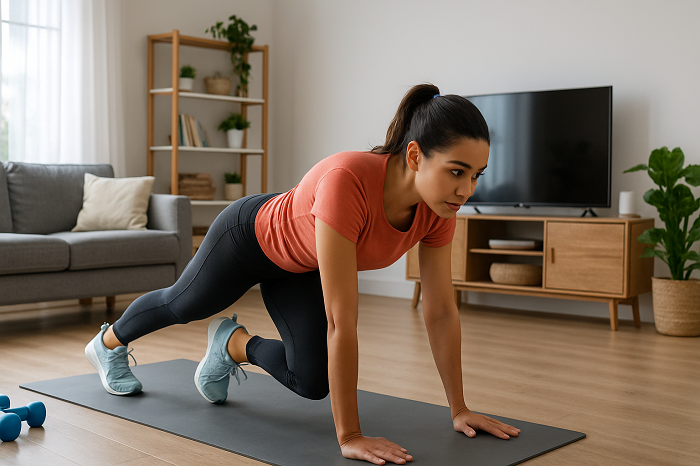
In today’s fast-paced world, fitness has become an essential part of a healthy lifestyle. However, not everyone has the time or resources to visit a gym every day. That is where home workouts come in, offering flexibility, affordability, and accessibility to anyone looking to start their fitness journey. In 2025, the demand for simple and effective home workouts continues to grow, especially for beginners who want to build strength, improve stamina, and stay consistent without the intimidation of heavy gym equipment. This guide explores the top 10 home workouts for beginners in 2025, carefully chosen for their effectiveness, simplicity, and adaptability. Whether your goal is to lose weight, gain muscle, or simply stay active, these exercises will help you establish a strong foundation.
Why Home Workouts Matter in 2025
Home workouts are no longer just an alternative to the gym. With the advancement of fitness apps, virtual trainers, and smart wearable technology, exercising at home has become more structured and motivating than ever. For beginners, home workouts eliminate barriers like commuting, gym memberships, and crowded spaces. More importantly, they allow you to progress at your own pace in a comfortable environment. In 2025, fitness trends emphasize bodyweight exercises, functional training, and short but intense sessions, making home workouts the perfect choice for sustainable health.
Top 10 Home Workouts for Beginners in 2025
1. Bodyweight Squats
Squats remain one of the best exercises for building lower body strength. They target the quadriceps, hamstrings, glutes, and calves while also engaging your core for stability. Beginners can start with simple bodyweight squats and gradually progress to variations like sumo squats or pulse squats. Proper form is key, so focus on maintaining a straight back, controlled movements, and steady breathing.
2. Push-Ups
Push-ups are a timeless upper-body workout that strengthens the chest, shoulders, triceps, and core. Beginners who find traditional push-ups challenging can start with knee push-ups or incline push-ups against a wall or sturdy surface. As strength improves, transitioning to standard push-ups will significantly boost endurance and muscle tone.
3. Planks
Planks are a core-strengthening powerhouse. This exercise helps stabilize your midsection while improving posture and balance. Beginners can start with a modified plank on their knees and gradually work up to a full forearm or high plank. Holding the position for 20 to 30 seconds and extending the time as endurance grows will build a strong foundation for other exercises.
4. Glute Bridges
Glute bridges are excellent for targeting the glutes, hamstrings, and lower back. They are especially helpful for people with sedentary lifestyles, as they strengthen muscles often weakened by prolonged sitting. Beginners can focus on lifting their hips slowly while squeezing the glutes at the top for maximum activation. Adding variations like single-leg bridges can increase difficulty over time.
5. Jumping Jacks
A staple in warm-up routines, jumping jacks boost cardiovascular health, coordination, and overall stamina. This simple exercise elevates the heart rate and prepares the body for more intense activity. For beginners, it is a fun and effective way to burn calories while staying consistent with daily workouts.
6. Wall Sits
Wall sits are an excellent endurance exercise for the lower body. They primarily target the thighs and glutes while also strengthening core stability. Beginners should start by holding the position for 15 to 30 seconds and gradually increase the duration as their muscles adapt. The static hold nature of wall sits makes them deceptively challenging yet highly effective.
7. Step-Ups
Step-ups are a beginner-friendly functional exercise that improves leg strength and coordination. Using a sturdy step or platform, simply step up and down while engaging the glutes and thighs. This movement mimics everyday activities like climbing stairs, making it practical for overall mobility and balance. Beginners can perform them slowly and progress by adding small hand weights.
8. Mountain Climbers
Mountain climbers are a dynamic full-body exercise that combines cardio and strength training. They target the core, shoulders, and legs while boosting endurance. Beginners should start with a slower pace to master proper form and then gradually increase speed for a more intense calorie-burning workout.
9. Chair Dips
Chair dips are one of the simplest ways to strengthen the triceps, shoulders, and chest using just a sturdy chair. Beginners can start by keeping their feet closer to the chair to reduce difficulty and then progress by extending their legs further. This exercise is excellent for building upper body strength without needing gym equipment.
10. Walking or Marching in Place
For absolute beginners, walking or marching in place is a great way to ease into regular exercise. It improves circulation, warms up the muscles, and boosts cardiovascular health. Pairing this activity with upbeat music or guided virtual sessions makes it more engaging while gradually preparing the body for more complex workouts.
Creating a Beginner-Friendly Home Workout Routine
The key to success with these exercises lies in consistency and balance. Beginners should aim for at least 20 to 30 minutes of daily activity, combining strength and cardio exercises. A sample routine might include bodyweight squats, push-ups, planks, and jumping jacks, followed by a cool-down stretch. Starting small and gradually increasing intensity ensures steady progress while minimizing the risk of injury. In addition, tracking progress using a fitness app or journal can help maintain motivation and accountability.
Tips for Staying Consistent
Motivation can waver, but developing consistency is crucial for long-term success. Setting realistic goals, scheduling specific workout times, and celebrating small achievements can keep you on track. Creating a designated workout space at home and using online resources like beginner-friendly workout videos also enhances engagement. In 2025, the availability of AI-powered fitness coaches and interactive workout platforms makes staying consistent easier than ever.
Conclusion
Starting a fitness journey at home is not only convenient but also highly effective when approached with the right mindset and plan. These top 10 home workouts for beginners in 2025 offer a perfect balance of strength, cardio, and functional movements that require little to no equipment. By focusing on proper form, consistency, and gradual progression, beginners can build a strong foundation for a healthier lifestyle. Remember, fitness is not about perfection but about progress, so take the first step today and transform your home into your personal fitness space.
FAQs on Home Workouts for Beginners in 2025
Q1. How long should a beginner spend working out at home?
Answer. Beginners should aim for 20 to 30 minutes per session, at least 4 to 5 times a week. Short, consistent workouts are more effective than long, irregular sessions.
Q2. Do I need equipment for home workouts?
Answer. Most beginner-friendly home workouts rely on bodyweight exercises. However, simple equipment like resistance bands, yoga mats, or light dumbbells can add variety.
Q3. Can home workouts help with weight loss?
Answer. Yes, when combined with a balanced diet, home workouts are effective for weight loss. Exercises like jumping jacks, mountain climbers, and squats burn calories while building muscle.
Q4. How do I stay motivated to work out at home?
Answer. Setting goals, following online workout classes, and tracking your progress with apps or journals can boost motivation. Working out with a friend virtually can also help.
Q5. Are home workouts safe for beginners?
Answer. Yes, as long as proper form is maintained and exercises are performed at a comfortable pace. Beginners should start slowly and consult a doctor if they have existing health concerns.